
Dual Diagnosis Centers Hackensack New Jersey specialize in treating co-occurring mental health and substance use disorders with comprehensive care. Through individualized therapy, group support, and evidence-based treatments, these centers help individuals manage conditions effectively, fostering recovery surrounded by a dedicated team. Community support and collaborative approaches, including therapeutic activities and open dialogue, accelerate healing and build resilience for lasting well-being.
In Hackensack, NJ, understanding dual diagnosis—when an individual struggles with both a mental health disorder and substance abuse—is crucial. This article explores effective strategies to overcome these challenges together. We delve into the significance of community support, building trust for co-occurrence treatment, therapeutic activities for shared recovery, overcoming stigma through open dialogue, and providing resources for collaborative healing in local Dual Diagnosis Centers.
- Understanding Dual Diagnosis in Hackensack, NJ
- The Importance of Community Support
- Building Trust for Effective Co-occurrence Treatment
- Therapeutic Activities for Shared Recovery
- Overcoming Stigma: Encouraging Open Dialogue
- Resources and Next Steps for Collaborative Healing
Understanding Dual Diagnosis in Hackensack, NJ

In Hackensack, NJ, understanding and addressing Dual Diagnosis is a critical aspect of mental health care. Many individuals struggle with co-occurring disorders—a condition where two or more mental illnesses occur simultaneously, such as depression and substance use disorder. This complex issue requires specialized treatment in Dual Diagnosis Centers Hackensack New Jersey. These centers offer comprehensive care tailored to the unique needs of patients facing both primary and secondary diagnoses.
The journey towards recovery for those with dual diagnosis is often challenging but rewarding. New Jersey co-occurring disorder facilities provide inpatient dual diagnosis care, ensuring a secure and supportive environment. Through individualized therapy sessions, group support, and evidence-based treatments, patients can learn to manage their conditions effectively. Overcoming co-occurring disorders together becomes possible when surrounded by a dedicated team of healthcare professionals and peers on the same healing journey for dual diagnosis patients.
The Importance of Community Support

In navigating challenging situations, especially those involving complex issues like co-occurring mental health disorders, the role of community support cannot be overstated. For individuals seeking recovery in Dual Diagnosis Centers Hackensack New Jersey, having a robust support system is not just beneficial; it's transformative. Local experts in co-occurring disorder treatment recognize that healing isn't solely a personal journey but one greatly enhanced by connection and camaraderie within a caring community.
The presence of supportive peers and professionals fosters a sense of belonging and understanding, crucial elements in the recovery process. Transformative dual diagnosis programs often incorporate group therapy sessions where individuals share their experiences, offer encouragement, and learn from one another. This collective approach not only aids in managing symptoms but also equips individuals with valuable coping strategies tailored to their specific challenges, ultimately enhancing their path to sustained recovery.
Building Trust for Effective Co-occurrence Treatment

Building trust is a cornerstone of effective co-occurrence treatment at top-rated dual diagnosis facilities like those found in New Jersey. When facing challenges related to addiction and depression, patients need a safe space where they feel understood and supported. This environment fosters openness and encourages honest communication—crucial aspects for successful healing. The skilled professionals at these centers create a supportive tapestry where each patient's unique needs are addressed, promoting a collaborative approach to recovery.
At dual diagnosis centers in Hackensack, New Jersey, the focus is on empowering patients through trust-based relationships. This involves personalized addiction and depression recovery programs tailored to individual goals. By navigating the complex journey of dual diagnosis together, patients experience a profound sense of community, which is essential for overcoming challenges as a united front. Through this collective effort, individuals not only find healing but also discover resilience, setting them on a path towards lasting well-being.
Therapeutic Activities for Shared Recovery

Therapeutic Activities for Shared Recovery at Dual Diagnosis Centers Hackensack New Jersey play a pivotal role in fostering collective healing and empowerment. These activities are meticulously designed to address the unique needs of individuals grappling with co-occurring mental health disorders, offering a holistic approach to recovery. From group therapy sessions that encourage open communication and peer support, to creative arts therapies that provide alternative channels for expression, each activity is tailored to cultivate a safe and supportive environment.
The focus on shared recovery at Dual Diagnosis Centers Hackensack New Jersey goes beyond individual treatment plans. It emphasizes the power of connection and community, recognizing that recovery is often enhanced when individuals support and learn from one another. This collaborative approach not only accelerates the healing process but also equips participants with invaluable coping strategies and resilience-building skills, laying a strong foundation for sustained recovery and improved quality of life.
Overcoming Stigma: Encouraging Open Dialogue
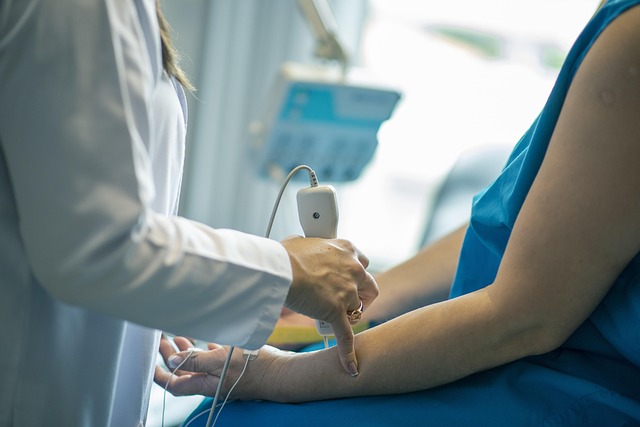
Overcoming stigma is a significant step in fostering an environment where individuals facing dual diagnosis can heal and thrive. Dual diagnosis, involving both mental health and substance use disorders, often goes unrecognized or stigmatized, leading many to suffer in silence. This secrecy perpetuates challenges in seeking help, as it reinforces the false notion that these issues are a sign of personal failure or weakness.
In Hackensack, New Jersey, local dual diagnosis centers play a pivotal role in breaking down these barriers through transformative programs and open dialogue. By encouraging honest conversations about co-occurring disorders, these centers ensure individuals receive comprehensive care tailored to their unique needs. With support from trained professionals and access to resources like those offered by dual diagnosis centers accepting insurance, the path to recovery becomes more accessible, ultimately empowering folks to embrace healing and rebuild their lives.
Resources and Next Steps for Collaborative Healing

Overcoming challenges together requires robust resources and a clear path forward. For those navigating dual diagnosis in Hackensack, New Jersey, Dual Diagnosis Centers offer a specialized solution. These centers provide comprehensive care for addiction and mental health, addressing both conditions simultaneously—a crucial approach for successful long-term recovery. With dedicated professionals, these facilities ensure that individuals receive the best mental health and substance abuse treatment tailored to their unique needs.
The journey towards healing is facilitated by various services, including therapy groups, individual counseling sessions, and supportive housing options. Collaborative care models foster a sense of community, enabling co-dependent individuals to build resilience and restore hope. Whether through outpatient programs or residential stays, these centers are strategically located near you, offering mental health rehab for those seeking a fresh start in Hackensack.
In navigating the complexities of dual diagnosis, a supportive community is a powerful tool. By fostering open dialogue and trust, individuals in Hackensack, NJ, can access effective co-occurrence treatments through various therapeutic activities. Overcoming stigma together paves the way for resources and next steps that encourage collaborative healing at Dual Diagnosis Centers and beyond.